Crowded squares and packed trams are where bags get targeted. Here is what anti-theft design does, what it does not, and which packs are worth it.
What anti-theft features actually do
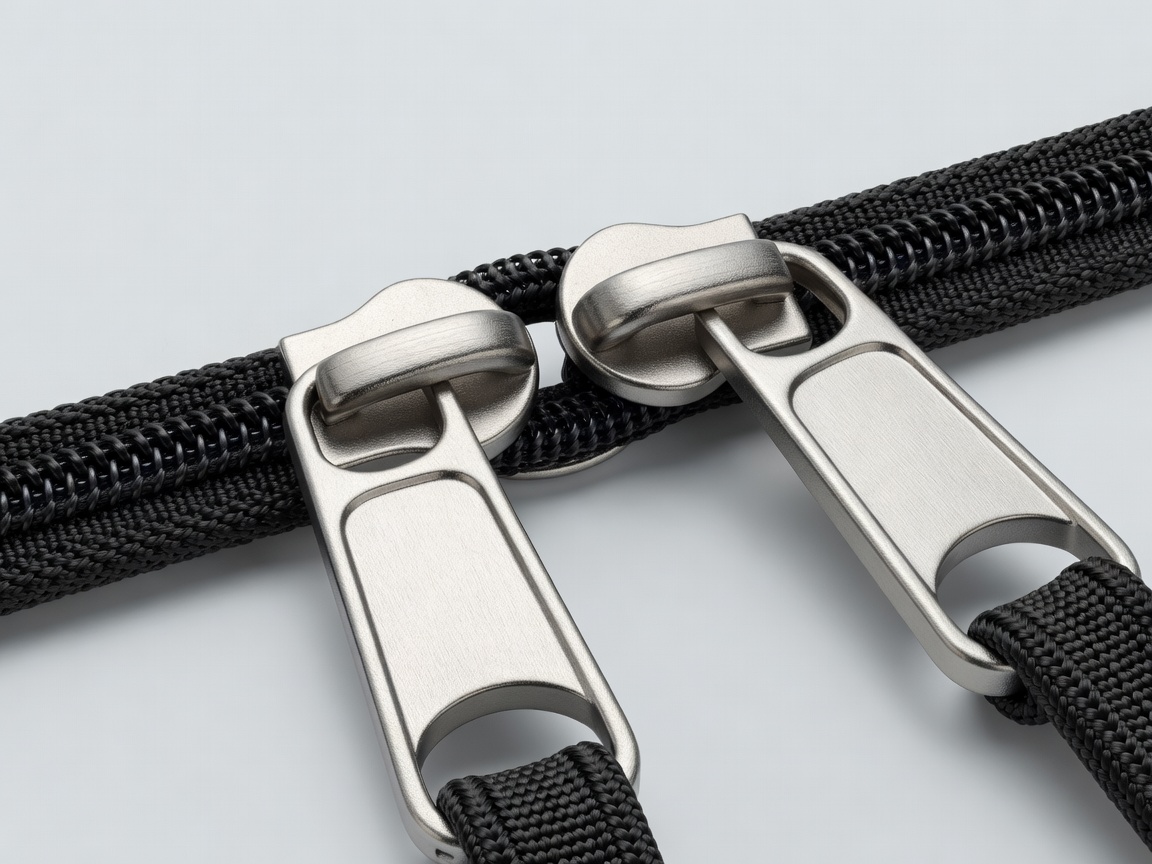
Most bag theft is opportunistic: a quick unzip in a crowd, a grab from a chair back or a cut strap. Anti-theft packs aim to slow that down. Lockable zips let you clip the pullers together or to the frame, hidden pockets keep passports out of reach, and some use slash-resistant materials. Pacsafe's eXomesh, a steel mesh woven into the fabric, is the best-known example. These features raise the effort and the risk for a thief, which is usually enough to make them move on. They will not stop a determined attack, and a lock is not a safe.
Our pick: Pacsafe Metrosafe LS350
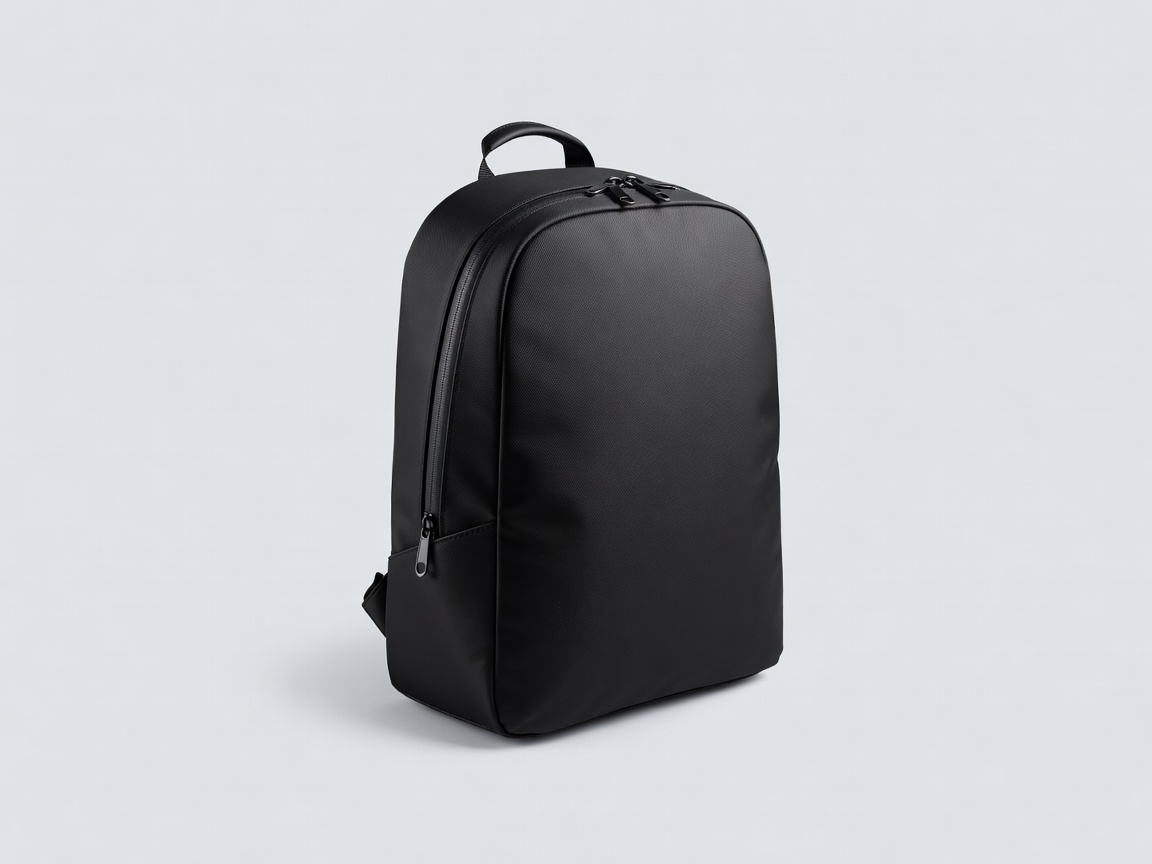
The Pacsafe Metrosafe LS350 is our urban pick because it is sensible, not paranoid. The zips lock with a simple clip, the main pockets sit against your back, and it carries a laptop without looking like a security product. It is a good fit for commuters and city-break travellers alike. If you want more capacity for a longer trip, the Venturesafe line scales up, and the Citysafe range goes lighter for day use.
Locking zip pullers together slows a quick grab in a crowd.
Alternatives worth a look
The XD Design Bobby backpack has a hidden back-facing main compartment and a USB port for a power bank, and its slim shape suits crowded trains. Travelon's anti-theft range includes slash-resistant straps and RFID-blocking pockets at a lower cost. A word on RFID blocking: skimming of contactless cards is rare in practice, so treat those pockets as a small bonus, not the reason to buy.
Feature lists are summarised from maker descriptions and can change by model year.
City habits that matter more than the bag
Pickpocketing is a known problem around busy tourist sites, such as the Barcelona Metro, the crowded streets around the Colosseum in Rome, the Paris Metro and Lisbon's Tram 28. In those places, wear your pack on your front, keep it in sight when you sit, and never hang it on a chair back. Keep a phone in a front pocket or an inside pocket, and do not leave valuables in the outer pocket. Spread your cash and cards, so a loss is a nuisance, not a disaster.
Choosing the right size and shape
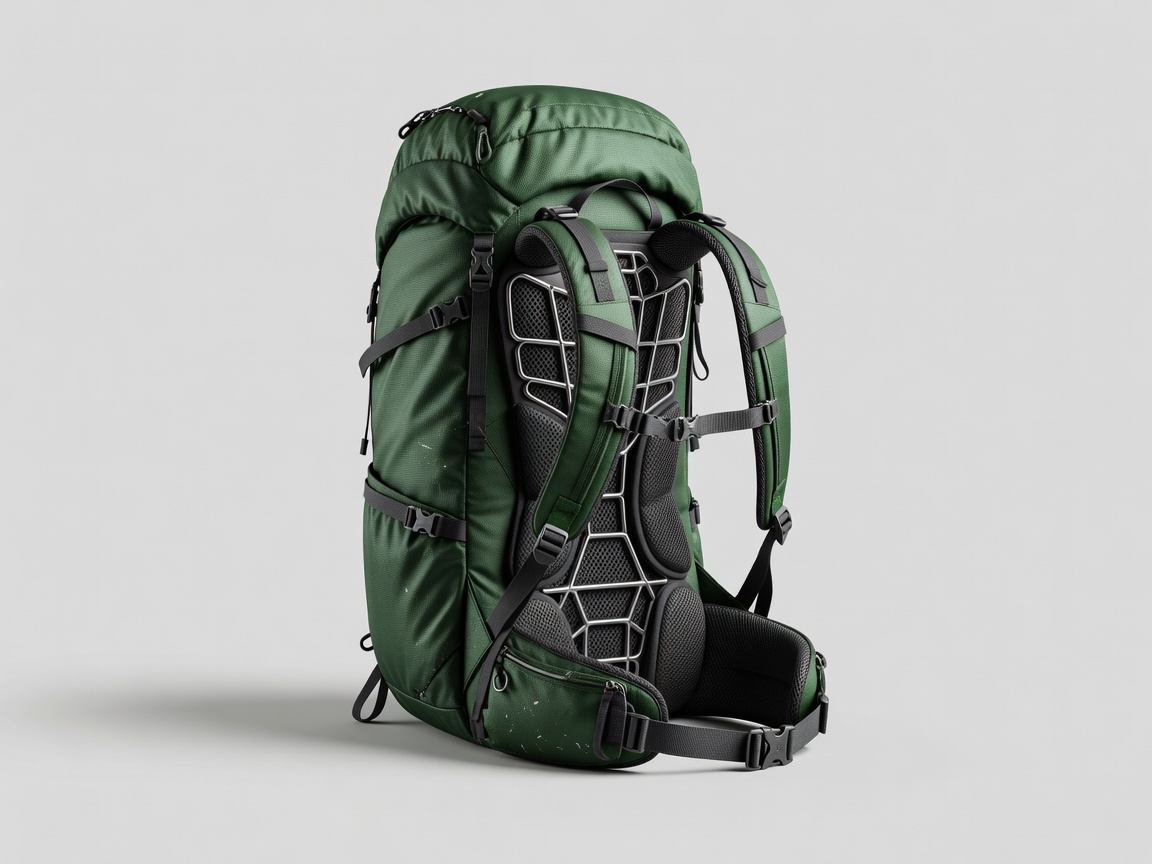
City packs are smaller than trekking packs, usually 15 to 30 litres. A tidy, structured shape resists snags and sits flat against your back. Check that the hidden pocket is easy for you to reach, because a pocket you cannot reach quickly is not useful. Look for a stable padded strap, a luggage pass-through for airport transfers and a pocket that holds a water bottle without exposing zips to the crowd.
Do you really need one?
If you live in a city or take a lot of trains, a pack with lockable zips and a back-facing pocket is a sensible, low-cost upgrade. If you are on a quiet trail, you do not need one. Whatever you choose, test it before you travel: pack it, wear it on a crowded train at home, and see whether you can reach everything without removing the bag.
We use cookies We use necessary cookies to run the site and, with your consent, optional ones to measure visits. You can change this at any time. Read more