Carry-On Backpacks

Straps, frames and what fits inside

Cabin-size packs live or die by a few centimetres. Here is how to read airline limits, which packs earn the space, and how to load them well.

Know the limits before you pick a litre count

Airlines do not agree on what "carry-on" means, so settle that first. Ryanair's free allowance is a small personal item of 40 x 20 x 25 cm, which suits a slim pack of roughly 20 to 25 litres. easyJet's free under-seat bag is 45 x 36 x 20 cm. Many full-service carriers allow a larger cabin bag, often around 55 x 40 x 20 to 23 cm, and the IATA guideline of 56 x 45 x 25 cm is the figure most bag makers quote. These numbers change, so measure your pack when it is full, not empty, and check your airline's page in the week you fly.

Our lead pick, and why it wins

The Osprey Farpoint 40 stays at the top of our list because it solves the awkward parts of one-bag travel. The clamshell opening lets you reach everything without digging, the harness and hip belt zip away behind a panel when you check or stow it, and the handles feel sensible on a crowded platform. It sits a little above the strictest budget-airline limits, so plan around that on flights where size checks are tough. For a full-service carrier or a train-led trip across Europe, it is the pack we would hand to a friend.

Alternatives by trip style

If you carry a camera, the Peak Design Travel Backpack 45L expands from roughly 35 to 45 litres and takes camera cubes, though it is heavier and costs more. For business trips, the Aer Travel Pack 3 is structured and tidy, with organised pockets and a clean look in a meeting room. The Cotopaxi Allpa 35L opens like a suitcase and is easy to pack at a hostel bunk. The Tortuga Outbreaker 35L is another clamshell with a stiff, tidy shape. For budget-airline hops, the Patagonia Black Hole 25L is a weather-resistant personal item that gives up capacity for simplicity.
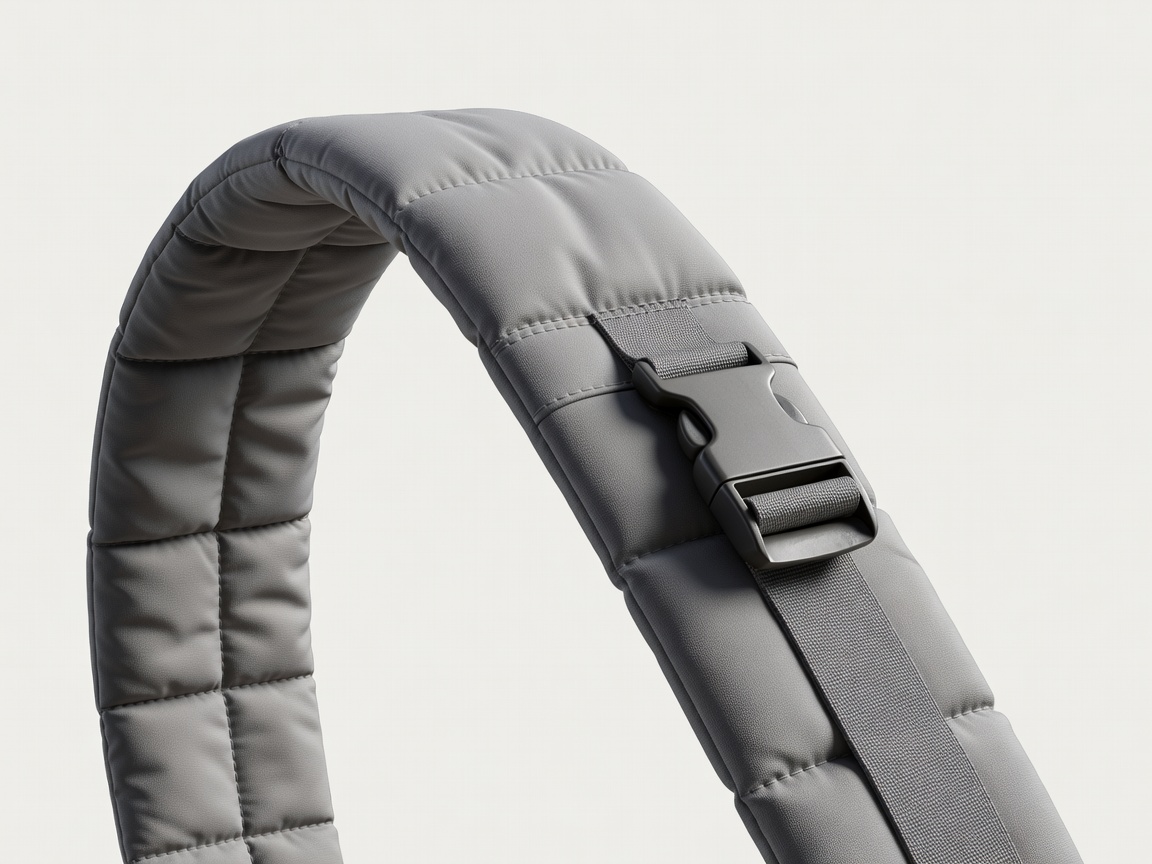
Close-up 3D render of a padded backpack shoulder strap and sternum clip on a pale background
Padded straps and a tidy sternum clip matter more than extra pockets.
PackApprox. volumeBest forWatch out for
Osprey Farpoint 4038-40 LOne-bag week tripsStrict budget limits
Peak Design Travel 45L35-45 LPhotographersWeight and price
Aer Travel Pack 3About 35 LBusiness tripsFewer outer pockets
Cotopaxi Allpa 35LAbout 35 LHostels and easy packingBasic harness
Patagonia Black Hole 25LAbout 25 LPersonal-item flightsSoft, unstructured shape

Volumes are rounded maker figures and vary by size and model year.

Clamshell or top-loader?

A clamshell opening works like a suitcase, so you can see and reach everything and keep packing cubes in neat layers. It is the better choice for hostels and short stays. Top-loaders are simpler and often lighter, and they suit people who pack soft items and rarely need the bottom of the bag. Whichever you choose, put heavy items close to your spine and between your shoulder blades and hips. Compression straps are worth using, because a half-empty pack sags and pulls on your shoulders.

Liquids, laptops and the security line

Most airports still ask for liquids in containers of 100 ml or less in a clear bag, the familiar "3-1-1" rule in the United States. Some European airports have upgraded scanners and relaxed this, but the rules vary by airport, so do not count on it. A quick-access top pocket or a flat laptop sleeve saves you from emptying the pack on the security tray. If your laptop is in a separate sleeve, check that it clears the zip so the bag lies flat.

Weight is the quiet limit

Size gets all the attention, but some airlines enforce a cabin weight limit of around 7 to 10 kg. A pack that weighs 1.4 kg empty leaves less room than one at 1 kg, so compare empty weights as well as litres. Wear your heaviest items, such as boots and a jacket, through the gate if a bag is borderline. Finally, use packing cubes to keep the shape square. A square pack slides into a sizer; a bulging one does not.

Keep reading

More Ways to Carry