Fit comes before features
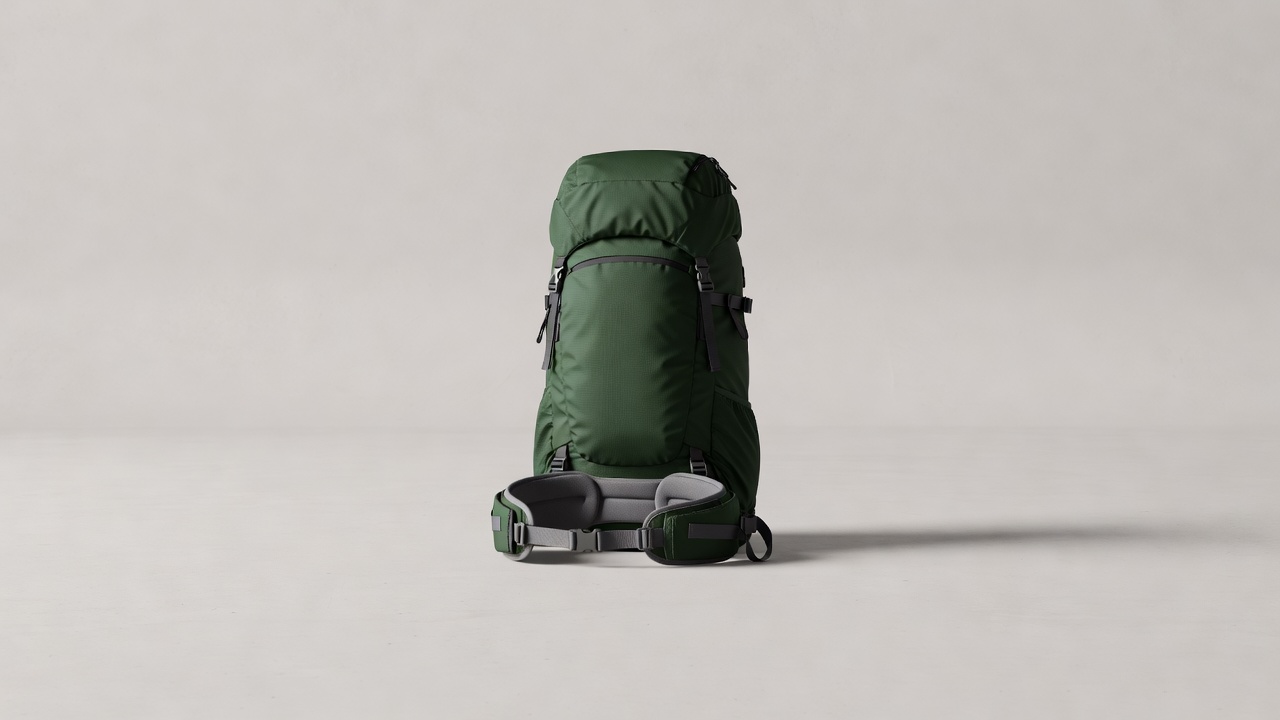
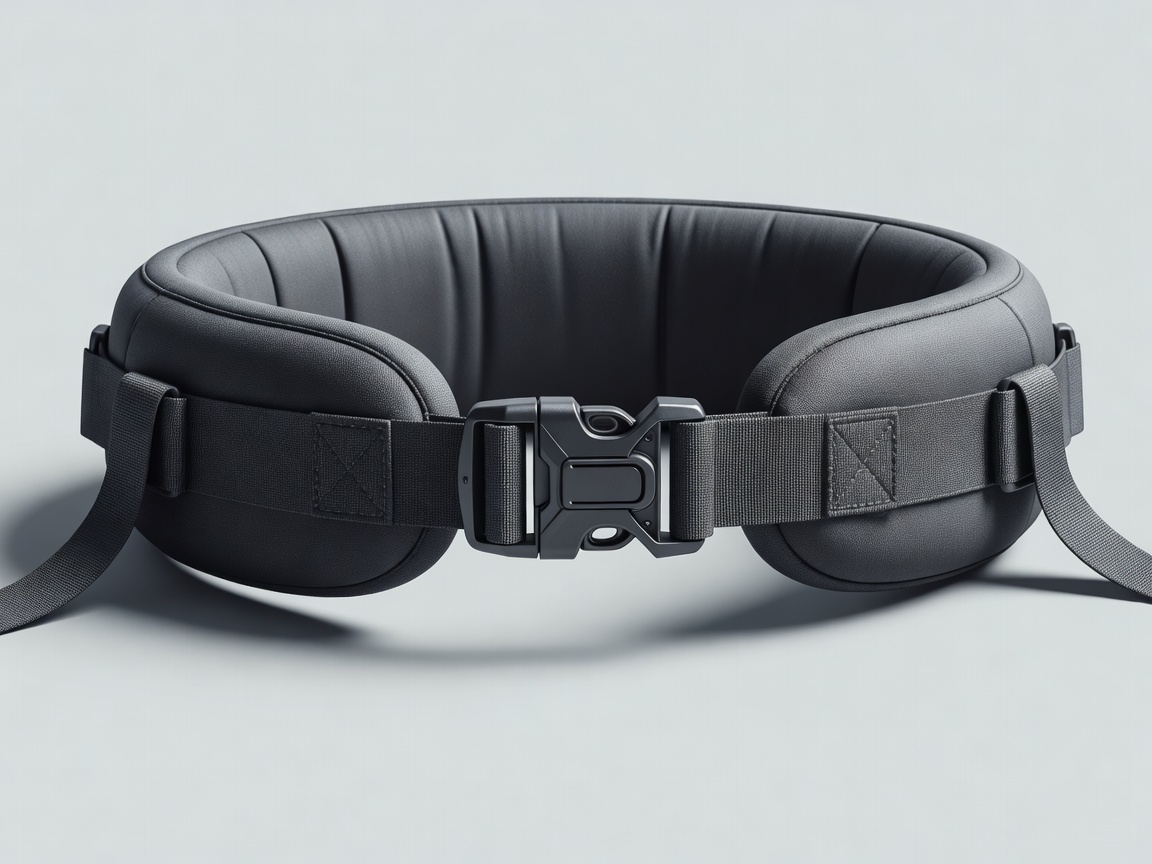
Fit decides whether a loaded pack feels like 10 kg or 15 kg. Measure your torso length, from the bony bump at the base of your neck down to the line of your hip bones, rather than shopping by height. Most makers, including Osprey, Gregory and Deuter, sell several back lengths, and many have hip belts that can be swapped or heat-moulded in a shop. The hip belt should sit on top of your hip bones and take most of the weight, while the shoulder straps simply stabilise it. If your shoulders ache after an hour, the belt is probably too low or too loose.
Our pick: Osprey Atmos AG 65
For multi-day walking, the Osprey Atmos AG 65 is the pack we reach for first. Its Anti-Gravity suspension is a continuous mesh that wraps from the back panel into the hip belt, which keeps ventilation good on warm climbs and spreads pressure across the hips. The pockets are in sensible places, the lid is removable for lighter days, and the Osprey warranty is among the most generous in the trade. If you regularly carry heavier loads, the Aether line adds a sturdier frame at the cost of extra weight.
Choosing a size by route
Capacity follows the trip, not the other way round. For day hikes and overnights, 30 to 45 litres is enough. Two to four nights usually calls for 45 to 60 litres, and a week or more, or winter camping, pushes you toward 60 to 75 litres. Routes matter too. On the Tour du Mont Blanc, mountain huts supply blankets, so a 40 to 50 litre pack works. The West Highland Way and the Camino de Santiago have hostels and albergues along the way, so 30 to 40 litres is often plenty. Self-supported camping on the Kungsleden needs a bigger pack for the tent, stove and food.
The alternatives
The Deuter Aircontact Core 50+10 is sturdy and extendable, with a good carry system for long days. The Gregory Baltoro 65 is a premium choice for heavy loads, with a strong suspension and a high price. For fast and light trips, the Osprey Exos 58 is among the lighter frames in its class, but it is less comfortable once the load goes past a modest weight. Try packs on in a shop with weight in them, because an empty pack tells you very little.